
Last updated: August 29, 2026
Key Takeaways for 2026 Enclosure Sourcing
- Choosing the right aluminum network enclosure manufacturer prevents sourcing failures from fragmented vendors, late-stage design issues and mismatched production capabilities.
- Integrated U.S. partners provide single-source fabrication, finishing and light electromechanical assembly to cut coordination overhead and quality risks.
- Early DFM collaboration and in-house engineering review remove common manufacturing issues before production, which shortens timelines and reduces rework.
- Domestic vertical integration strengthens supply-chain resilience, shortens lead times and supports compliance with BABA and UL requirements.
- Partner with Fabcon for vertically integrated aluminum enclosure manufacturing backed by ISO 9001:2015 and AS9100D certifications.
Aligning NEMA/IP Ratings and Climate Control with Real-World Conditions
Correct enclosure ratings prevent compliance gaps and rework. For North American telecom and infrastructure projects, the most relevant outdoor ratings are NEMA 3R, NEMA 4 and NEMA 4X, with NEMA 4X adding corrosion resistance for coastal, chemical or high-humidity sites. IP55, IP65 and IP66 are the most commonly specified ratings for outdoor telecom cabinets, with IP66 preferred in coastal or storm-prone environments.
Climate control selection follows directly from the rating and environment. Air-to-air heat exchangers maintain an IP66 rating while providing active cooling, while filtered fans reduce the effective rating unless a sealed filter housing is used. Indoor telecom and data center enclosures typically start at NEMA 1 or NEMA 12, with climate control scaled to rack heat load.
Integrated U.S. fabrication partners design enclosures with gasket selection, cable gland placement and thermal management considered together. Anti-corrosion surface treatments and proper sealing design are required alongside the NEMA 4X rating to support long-term performance. Buyers should confirm that finishing capabilities, such as powder coat, wet paint or mil-spec coating, match the target rating and environment. Once the rating and climate requirements are defined, the next challenge is ensuring the design can be manufactured to those specifications.
Early DFM Collaboration That Prevents Production Surprises
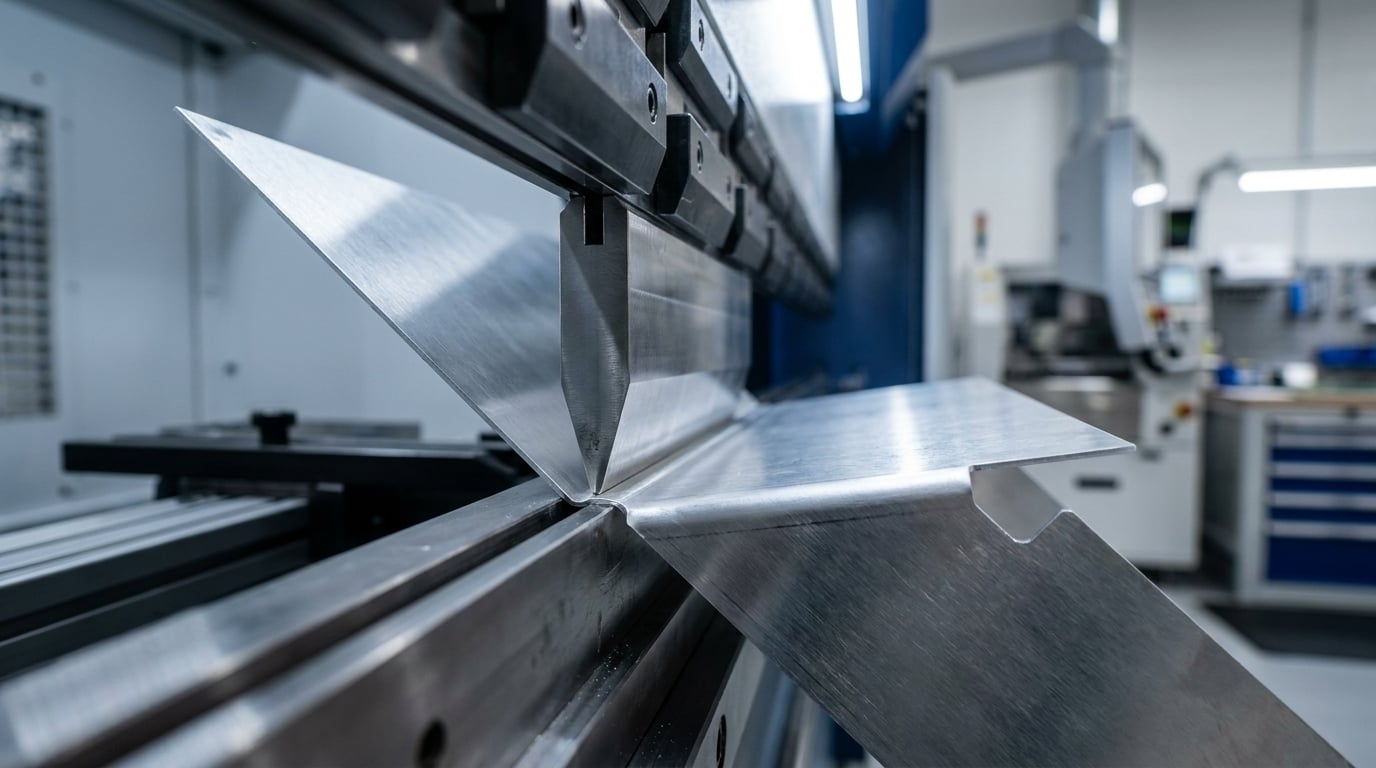
Design-to-manufacturing disconnects drive rework, quoting delays and cost overruns on custom enclosure programs. Common issues include bend radii smaller than material thickness, hole edges placed too close to bend lines, flanges too short to form reliably and missing bend relief cuts that cause corner cracking.
Integrated U.S. partners address these issues before production. DFM for aluminum network enclosures starts by defining the product envelope, mounting interfaces, service access and environmental requirements before selecting geometry or material. Partners with in-house engineering review drawings, tolerances and material selections, including forming behavior, grain direction and finish compatibility, then create manufacturing routers tuned to the production floor.
DFM-reviewed designs move directly from drawing to prototype to full production on the same equipment and team when engineering, fabrication, finishing and assembly occur in one facility. That continuity removes translation errors that appear when designs pass between separate vendors.
Single-PO Integration for Fabrication, Finishing and Assembly
Separate purchase orders for metal fabrication, powder coating and electromechanical assembly create coordination overhead, vendor handoff delays and quality disputes when a finished enclosure fails inspection. Each handoff between suppliers adds scheduling risk and weakens accountability.
Integrated U.S. precision fabrication partners consolidate these steps under one roof. Customers can issue a single PO for a complete custom enclosure with preinstalled hardware, DIN rails and grounding studs. In-house finishing, including powder coat, wet paint and screen printing, removes the outbound shipping and reinspection cycle that fragmented sourcing requires.
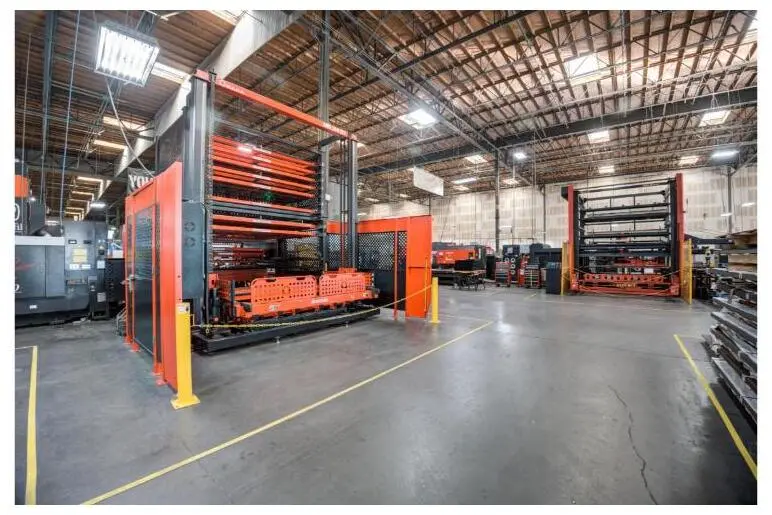
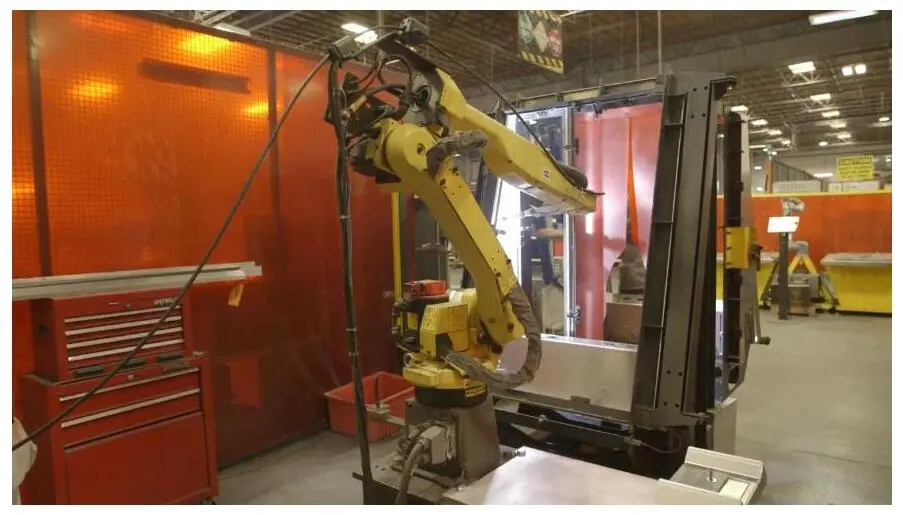
Light electromechanical assembly, including wiring and component integration, occurs in the same facility as fabrication. That single-roof model compresses timelines, reduces supplier complexity and gives program managers one point of contact for schedule, quality and change management.
Quality Systems and Traceability for Regulated Infrastructure Programs
Infrastructure buyers in data center, energy storage, telecom and EV charging programs face strict compliance requirements. Procurement teams should request the UL certificate, category code, standard number and file reference before ordering, and confirm that any customization, such as holes, vents, cable entries or fans, has been reviewed for impact on the original UL Type rating.
NEMA ratings are self-declared by the manufacturer, while UL 50/50E requires third-party testing and factory audit. Buyers that need code approval or authority-having-jurisdiction acceptance should require UL-listed enclosures rather than self-certified NEMA types.
Material traceability protects structural integrity and compliance. Full traceability requires Mill Test Reports for every delivered batch, with the heat number cross-referenced against physical cast markings. A generic Certificate of Conformance is insufficient for structural aluminum parts. Integrated partners with ISO 9001:2015 certification maintain documented processes and traceability across fabrication, finishing and assembly, which supports regulated industries such as aerospace, medical and critical infrastructure.
Scaling from Prototype to Mid-Volume with Flexible Capacity
Large contract manufacturers offer scale but impose high minimum order quantities, long onboarding timelines and rigid production structures that do not support evolving bills of materials or mixed-SKU programs. Job shops accept low volumes but lack the infrastructure to scale when programs ramp.
Integrated U.S. partners occupy the middle ground. Flexible manufacturing cells adapt to changing volumes and mixed SKUs without the overhead of top-tier global contract manufacturers. Programs can begin with prototype quantities and scale to mid-volume production on the same equipment and team, which preserves process continuity and reduces requalification risk.
For OEMs and Tier 1 suppliers with imprecise demand forecasts, shorter domestic lead times often outweigh the lowest unit cost. Domestic partners can remove the working-capital strain from large safety stock that buffers long international lead times when the implied annual capital charge exceeds a threshold governed by transit days, payment terms and other operating parameters.
Building Supply-Chain Resilience with Domestic Vertical Integration
Tariff exposure and supply chain volatility have increased the strategic value of domestic sourcing. Tariff exposure on steel and aluminum shapes input costs, sourcing security and reshoring economics for North American manufacturers.
Reshoring decisions now rely on total cost of ownership, including disruption risks, lead time reduction, inventory carrying costs, quality control and compliance, rather than unit production costs alone. This broader view of cost explains why companies at the leading level of supply chain resilience experience fewer disruption-related revenue losses and recover faster from disruptions they encounter.
Vertically integrated domestic partners reduce exposure to port disruptions, international freight delays and multi-tier supplier blind spots. That visibility matters because many companies understand their supply chain risks only up to tier one, which hides deeper vulnerabilities that drive most disruptions. Consolidating fabrication, finishing and assembly with a single domestic partner reduces the number of tiers that require monitoring.
Mapping Ratings, Climate Options and Assembly to Use Cases
This framework connects common application types to typical enclosure ratings, climate control approaches and assembly integration levels. Teams can use it as a starting point, then validate selections with the fabrication partner’s engineering group.
Indoor data center and telecom rooms: IP20 / NEMA Type 1 is the standard for conditioned server closets, MDF/IDF rooms and telecom risers. Passive ventilation handles lower heat loads, while active fans or precision air conditioning support higher rack density. Assembly integration often includes cable management hardware and rack-mount components.
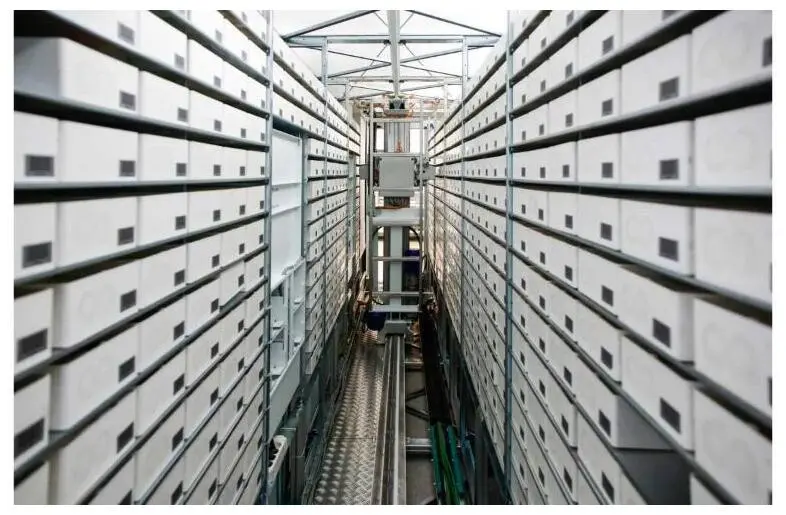
Outdoor telecom and 5G support cabinets: The outdoor ratings discussed earlier, including IP55, IP65 and IP66, map to specific telecom applications. IP55 suits general roadside and fiber access cabinets, IP65 supports dusty or industrial roadside locations and IP66 serves coastal or storm-prone areas. Climate control options include air-to-air heat exchangers for sealed IP66 enclosures. Assembly integration often includes power distribution, wiring and cable gland sealing.
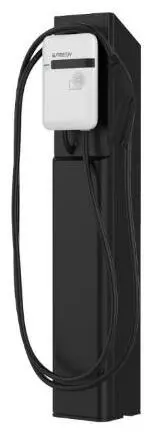
EV charging infrastructure and energy storage: EV charger housings commonly specify IP55/66 ratings. Electromechanical assembly integration, including wiring harnesses, bus bars and thermal management components, is a standard requirement. NEMA 4X aluminum with corrosion-resistant finishing supports coastal or high-humidity deployments.
Traffic safety and transportation control cabinets: Traffic control cabinets typically use IP54/65 ratings with powder-coated aluminum sheet. Assembly integration often includes controller mounting, wiring and connector sealing. BABA compliance documentation may be required for federally funded deployments.
Comparing Job Shops, Integrated Partners and Global Contract Manufacturers
Three provider types dominate the custom aluminum enclosure market, and each model carries distinct strengths and limits.
Low-complexity job shops handle build-to-print sheet metal fabrication at low volumes. They often lack in-house DFM engineering, finishing and electromechanical assembly capabilities. Programs that require wiring, powder coating or system integration must manage those steps with separate vendors, which creates handoff delays and divided accountability.
Large and global contract manufacturers offer scale and broad capabilities but impose high minimum order quantities, long onboarding processes and rigid production structures. They support high-volume, stable programs but create friction for mid-volume programs with evolving bills of materials or mixed-SKU requirements.
Mid-tier integrated U.S. precision fabrication partners combine the engineering depth and service breadth of a large contract manufacturer with the responsiveness and volume flexibility that mid-volume programs require. They handle fabrication, finishing and light electromechanical assembly under one roof, support DFM collaboration from the start and scale from prototype through production without the overhead of top-tier global providers. Domestic accountability, single-PO sourcing and integrated quality systems distinguish this model from both extremes.
Competitors such as Pinnacle Precision and Precise Manufacturing operate in the mid-tier space. Evaluation should focus on engineering depth, finishing capabilities, electromechanical assembly scope, quality certifications and volume flexibility.
Due-Diligence Checklist for Enclosure Manufacturer Shortlists
This checklist supports evaluation and shortlisting of aluminum network enclosure manufacturers for infrastructure programs.
- Quality certifications: Confirm current ISO 9001:2015 certification with a third-party-audited certificate. For aerospace or defense-adjacent programs, verify AS9100D certification. Any supplier lacking a current third-party-audited ISO 9001 certificate should be removed from consideration.
- UL listing scope: Verify UL listing scope as detailed in the quality systems section above, including review of customization impact on the original Type rating.
- Material traceability: Require Mill Test Reports tied to specific heat numbers for all aluminum material, not generic Certificates of Conformance.
- DFM and engineering collaboration: Confirm that the engineering team reviews drawings and tolerances before quoting, and that DFM feedback appears in writing with documented revisions.
- Change-control processes: Ask how engineering change orders are managed, documented and communicated across fabrication, finishing and assembly. Integrated partners should maintain a single controlled drawing revision across all production steps.
- Sample and prototype lead times: Request the standard first-article process, including inspection documentation such as First Article Inspection Reports and Certificates of Conformance.
- Finishing capabilities: Confirm in-house availability of the required finish, such as powder coat, wet paint, CARC or mil-spec coating, and verify compatibility with the target NEMA or IP rating.
- Electromechanical assembly scope: Define the assembly integration level required, such as hardware insertion, wiring or component integration, and confirm the partner handles it in-house rather than subcontracting.
- Site evaluation: Request a facility tour or virtual audit to verify manufacturing footprint, equipment and quality systems. Third-party physical verification through factory inspections by accredited bodies provides additional assurance.
- Domestic supply chain position: Confirm U.S.-based fabrication, finishing and assembly to satisfy BABA requirements for federally funded projects and to reduce exposure to international freight and tariff volatility.
Conclusion: When an Integrated U.S. Partner Delivers the Most Value
An integrated U.S. precision fabrication partner fits best when a program requires custom NEMA- or IP-rated aluminum enclosures with finishing and electromechanical assembly, operates at mid-volume with evolving bills of materials and must avoid delays and quality risks from fragmented sourcing.
The six challenge areas in this guide, including rating compliance, DFM collaboration, single-PO integration, quality traceability, volume flexibility and supply chain resilience, provide a structured framework for evaluating any aluminum network enclosure manufacturer. Teams can apply each criterion to the shortlist, request documentation and validate capabilities through site evaluation before committing to a program partner.
Fabcon operates as a vertically integrated U.S. precision fabrication and assembly partner, with ISO 9001:2015 and AS9100D certified quality systems, in-house finishing and electromechanical assembly capabilities across 220,000 square feet of domestic manufacturing space. Connect with Fabcon to scope requirements and timelines for upcoming aluminum enclosure projects.
Frequently Asked Questions
What is the difference between NEMA 4 and NEMA 4X for aluminum network enclosures?
NEMA 4 enclosures protect against rain, sleet, snow, windblown dust and hose-directed water for indoor or outdoor use. NEMA 4X adds corrosion resistance to that baseline, which makes it a preferred specification for coastal sites, chemical processing environments, wastewater facilities and other locations with salt air or chemical vapors. Both ratings map approximately to IP66 in the international system, though NEMA and IP test methods differ and direct conversion should not serve as the final specification method. Buyers should confirm the target rating with the fabrication partner’s engineering team and verify that gasket selection, cable gland design and surface finishing all match the intended environment.
Why does early DFM collaboration matter for custom aluminum enclosure programs?
Design-for-manufacturability review identifies features that standard tooling cannot produce reliably before production begins. Common issues in aluminum enclosure designs include bend radii smaller than material thickness, hole edges placed too close to bend lines, flanges too short to form on a press brake and missing bend relief cuts that cause corner cracking. When teams catch these issues during DFM review rather than during first-article inspection, programs avoid rework cycles, quoting delays and scrapped material. Integrated partners with in-house engineering handle DFM review, fabrication, finishing and assembly on the same team, so feedback from the production floor reaches the design directly without intermediaries.
How does single-source integration reduce risk on aluminum enclosure programs?
Fragmented sourcing splits accountability across separate vendors for metal fabrication, finishing and electromechanical assembly. When a finished enclosure fails inspection, each vendor can attribute the defect to another’s work, which creates delays while teams establish root cause. Single-source integration places fabrication, finishing and assembly under one quality system with one point of contact for schedule, change management and corrective action. Material traceability, inspection records and engineering change documentation remain in one system rather than spread across multiple suppliers. That consolidated accountability reduces the coordination burden that program managers carry with a fragmented vendor base.
What quality certifications should buyers require from aluminum network enclosure manufacturers?
ISO 9001:2015 serves as the universal baseline for approved vendor lists, and the certificate should be current and issued by a third-party-audited body. For programs in aerospace, defense or other regulated industries, AS9100D certification provides additional assurance of process control and traceability. UL listing under UL 50, UL 50E or UL 508A is required when code approval or authority-having-jurisdiction acceptance is needed, while NEMA ratings are self-declared and do not replace third-party UL testing. Material traceability should rely on Mill Test Reports tied to specific heat numbers for all aluminum material. Buyers should also confirm that the partner’s quality system spans fabrication, finishing and assembly rather than covering only the metal fabrication step.
How do domestic aluminum enclosure manufacturers compare to offshore options for 2026 infrastructure programs?
The total cost of ownership calculation for domestic versus offshore sourcing has shifted in 2026. Tariff exposure on aluminum imports, elevated logistics and freight costs and the working-capital burden of large safety stock that buffers long international lead times all affect the landed cost of offshore enclosures. Domestic partners remove international freight risk, shorten lead times and simplify compliance with Build America, Buy America requirements for federally funded infrastructure projects. For programs with evolving bills of materials or mixed-SKU requirements, domestic partners also provide faster change-order response and closer engineering collaboration than offshore suppliers can deliver across time zones and language barriers.