

Last updated: August 18, 2026
Key Takeaways
- AS9100D certification adds aerospace-specific controls such as configuration management, AS9102 first-article inspection, FOD prevention and full material traceability that reduce audit exposure and quality escapes.
- Integrating fabrication, finishing and light electromechanical assembly under one quality system and one PO removes inter-vendor handoffs, mismatched records and finger-pointing when nonconformances occur.
- Early DFM collaboration between engineering and the fabricator shortens revision cycles, prevents tolerance stack-up issues and supports a clean transition from prototype into repeat production.
- Flexible U.S.-based production cells that scale from quick-turn prototypes to mid-volume runs without supplier transitions reduce schedule risk and re-qualification effort for evolving aerospace programs.
- Partner with Fabcon for AS9100D- and ITAR-registered sheet metal fabrication that consolidates the supply chain and lowers total program cost.
How AS9100D Shapes Sheet Metal Fabrication
AS9100D builds on ISO 9001 and adds aerospace-specific controls including formal configuration management, first-article inspection to AS9102, counterfeit-parts prevention, FOD control, product safety and mandatory traceability from raw material to shipped part. Every batch carries a material certificate that links parts to a certified mill source, and every component has a recorded process route with documented inspection results.
Challenge 1: DFM Collaboration Between Engineering and Fabrication
A design-to-manufacturing disconnect often drives rework and schedule loss in aerospace programs. When engineering teams finalize drawings without fabricator input, tolerance stack-ups, material choices and bend geometries can reach the shop floor in a form that is difficult or costly to build at scale.
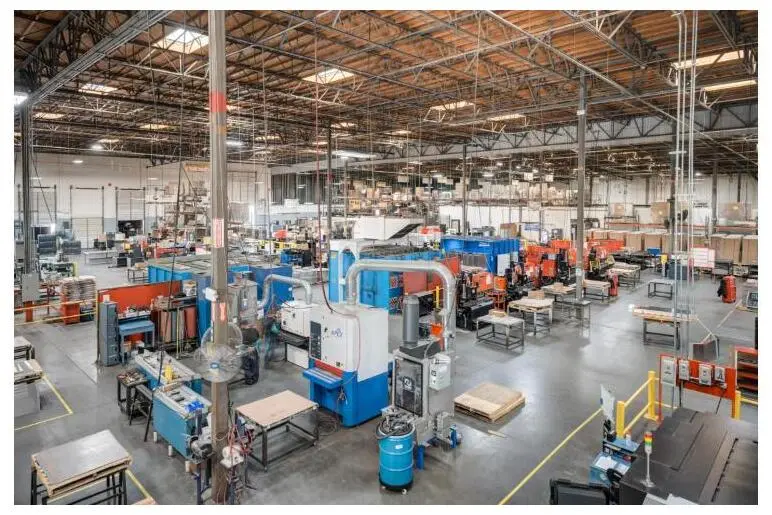
An integrated partner embeds design-for-manufacturability review before production begins. Fabcon engineering and quoting teams review drawings, tolerances and materials with the customer technical team to produce manufacturing routers tuned for the floor. This collaboration cuts revision cycles, reduces rework and supports a prototype that transitions cleanly to repeat production.
Evaluation criteria for DFM capability include assignment of a dedicated engineering contact, provision of DFM feedback before quoting closes and a record of prototype-to-production alignment on programs of comparable complexity.
Challenge 2: Vendor Consolidation Across Fabrication, Finishing and Assembly
Managing separate vendors for sheet metal, finishing and assembly introduces coordination risk at every handoff. Opacity below Tier 1 in the aerospace supply chain drives excess inventory, delays decision-making, inflates safety stock and obscures where interventions would have the most impact.
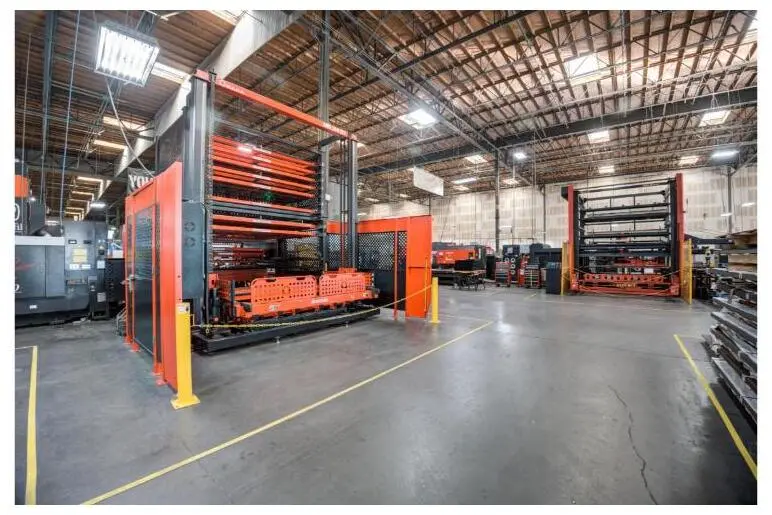
A single-roof provider removes inter-vendor shipping, mismatched quality records and finger-pointing when nonconformances arise. Integrated fabrication and finishing under a single quality system reduce handoff delays and traceability gaps compared with suppliers that outsource to multiple subcontractors. Fabcon delivers fabrication, powder coat, wet paint, CARC military-grade finishing and light electromechanical assembly under one PO.
Evaluation criteria include acceptance of a single PO covering fabrication through assembly, in-house versus subcontracted finishing and an unbroken quality record that follows the part through every process step.
Challenge 3: Quality and Traceability Systems That Withstand Audits
Material and process gaps between vendors create audit exposure and increase the probability of nonconforming parts reaching integration. AS9100D mandates FOD controls that prevent foreign object debris from entering parts, and it requires documented process routes with inspection results rather than informal memory.
Pairing AS9100D with ITAR registration reduces quality escapes, audit failures, compliance violations, supplier disqualification and penalties by combining documented process controls with controlled access to technical data. Fabcon holds AS9100D certification, ISO 9001:2015 certification and ITAR registration, with integrated QA spanning the entire build.
Evaluation criteria include a current AS9100D certificate that covers the scope of work, active ITAR registration for defense programs and the ability to produce material test reports and first-article inspection packages on request.
Challenge 4: Scaling Flexibility from Prototype to Mid-Volume
Basic job shops often lack the infrastructure to move beyond low-volume builds, while large contract manufacturers impose high minimums and lengthy onboarding that stall programs mid-development. That mismatch conflicts with the high-mix, evolving-BOM reality of many aerospace and defense programs.
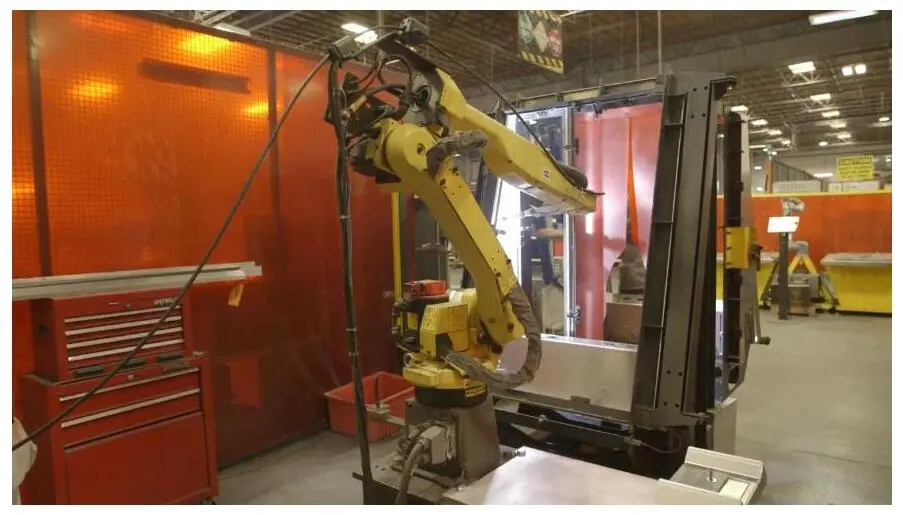
Prototype-to-production scalability with production capacity documentation reduces mid-program supplier transitions by confirming multi-shift capacity and stable scheduling. Fabcon flexible production cells adapt to changing volumes and mixed SKUs without the overhead rigidity of large contract manufacturers, supporting programs from quick-turn prototypes through mid-volume production runs.
Evaluation criteria include demonstrated transitions from prototype to repeat production on comparable programs, reconfigurable production cells for mixed SKUs and the ability to accommodate BOM revisions without a full re-qualification cycle.
Challenge 5: Lead-Time Reliability in a Volatile Supply Chain
Some raw materials in aerospace have long lead times, creating bottlenecks at Tier 3 suppliers that prevent OEM ramp-ups. When fabrication, finishing and assembly are split across multiple vendors, each handoff adds schedule uncertainty that compounds those upstream delays.
Tariff policy can affect sourcing decisions and prompt small and mid-sized manufacturers to change suppliers. A vertically integrated U.S. facility limits tariff-driven supplier churn by keeping critical processes domestic and under one schedule.
Evaluation criteria include internal control of finishing and assembly, a U.S.-based facility with domestic material sourcing and production schedule visibility throughout the program.
Challenge 6: Total Cost Impact of Supplier Selection
The lowest unit price rarely reflects the true cost of a supplier relationship. Rework, excess inventory from traceability failures, re-inspection and audit remediation all add cost that does not appear on the original quote. Tariff-driven fragmentation is creating more origins, shorter supplier relationships and less certainty around routing and timing, which compounds these hidden costs and raises the probability of a costly disruption.
End-to-end ownership under one quality system reduces the number of cost-generating failure points. When fabrication, finishing and assembly share a single quality record, nonconformances are caught earlier, rework is contained and audit preparation stays straightforward. Fabcon integrated model focuses on reducing total program cost, not only unit price.
Evaluation criteria include cost-of-quality data from comparable programs, a quality system that covers all processes under one certificate and a documented corrective action process.
AS9100D Requirements Checklist for Sheet Metal Fabrication
The following requirements apply to AS9100D-certified sheet metal fabrication for aerospace and defense programs.
- Material traceability: Every batch carries a material certificate linking each part to a certified mill source. Full material traceability with material test reports and lot records reduces material failures and audit exposure.
- FOD control: Mandatory FOD controls prevent foreign object debris contamination, as described earlier, and protect sensitive assemblies such as fuel-system seals.
- First-article inspection (AS9102): AS9100D requires organizations to maintain a process for first-article inspection but does not mandate compliance with AS9102 unless contractually required. AS9102 FAI capability with a sample package reduces specification nonconformance at launch by validating dimensional, material and process data for new part numbers or revision changes.
- Configuration and change control: AS9100D adds formal configuration control to the ISO 9001 baseline and relies on the documented process routes and inspection records described earlier.
- Counterfeit-parts prevention: AS9100D includes counterfeit-parts prevention as an aerospace-specific control beyond ISO 9001 requirements.
Due-Diligence Checklist for AS9100D Fabrication Partners
Procurement teams evaluating AS9100D sheet metal fabrication partners can use the following checks before awarding a program.
- Certification currency and scope: Confirm the AS9100D certificate is current and within scope for the processes and commodity types required by the program.
- ITAR registration: Confirm active ITAR registration for any defense program involving articles or technical data on the U.S. Munitions List.
- NADCAP welding status: Verify NADCAP coverage for any special processes called out on drawings or specifications, since accreditation is process-specific rather than plant-wide. AWS D17.1 aerospace fusion welding certification, supported by full WPS and PQR documentation, is a key qualification for AS9100D fabricators producing brackets, housings, enclosures and welded assemblies.
- Site-audit readiness: Confirm that the partner maintains documented corrective action procedures and can support a customer source inspection or third-party audit on short notice.
- Sample-part evaluation: Request a first-article inspection package, including dimensional results, material test reports and process records, before committing to production volumes.
Fabcon holds AS9100D and ISO 9001:2015 certifications and is ITAR registered. Get a quote and request a sample-part evaluation.
Frequently Asked Questions
Is AS9100D-certified fabrication more expensive than standard sheet metal fabrication?
AS9100D-certified fabrication carries higher process overhead than a basic job shop because it requires documented traceability, first-article inspection, FOD controls and configuration management at every stage. The relevant comparison is total program cost, not unit price. Rework, re-inspection, audit remediation and vendor handoff delays all add cost that does not appear on a standard quote. An integrated partner that controls fabrication, finishing and assembly under one quality system reduces those downstream costs by catching nonconformances earlier and maintaining a clean chain of custody throughout the build.
Can an integrated fabricator scale a program from prototype to mid-volume production without a supplier transition?
An integrated fabricator can scale a program without a supplier transition when production cells are designed for flexibility. Fabcon agile production cells support programs from quick-turn prototypes through mid-volume production runs without a hard transition to a different supplier type. The same quality system, the same engineering contacts and the same traceability records carry through from first article to repeat production. This continuity reduces the risk of specification drift and removes the re-qualification effort that typically accompanies a supplier change mid-program.
How difficult is it to transition an existing program to a new AS9100D-certified fabricator?
Transition complexity depends on program maturity, documentation completeness and the new partner onboarding process. For programs with complete drawings, material specifications and existing first-article inspection records, the transition becomes a documentation transfer and re-qualification exercise. Fabcon engineering reviews incoming drawings and tolerances during the quoting phase, identifies DFM concerns and produces manufacturing routers before production begins. That front-loaded review lowers the probability of surprises during the first production run and shortens the effective transition timeline.
How does ITAR registration interact with AS9100D for defense programs?
AS9100D and ITAR registration address different compliance requirements and neither replaces the other. AS9100D governs the quality management system, covering process controls, traceability, configuration management and first-article inspection. ITAR registration governs access to and handling of technical data and hardware on the U.S. Munitions List, with legal exposure under the Arms Export Control Act for violations. Defense programs typically require both AS9100D for prime contractor quality requirements and ITAR registration for controlled access to export-restricted data throughout the supply chain. Fabcon holds both.
Applying the Evaluation Framework to AS9100D Programs
The six challenge areas above map directly to the questions a sourcing team should ask before awarding an AS9100D sheet metal fabrication program. The evaluation sequence moves from baseline qualifications to operational capability and then to total cost.
- Confirm certification currency, ITAR status and scope coverage before any technical discussion. These checks establish whether a fabricator can legally and contractually support the program.
- Assess DFM capability by requesting evidence of engineering collaboration on a comparable program. Early design input prevents costly rework and schedule slips later.
- Evaluate vendor consolidation depth by confirming which processes are performed in-house versus subcontracted. Integrated operations reduce handoff delays and traceability gaps.
- Review traceability documentation by requesting a sample first-article inspection package and material test reports. This step verifies that the quality system produces the records required for audits.
- Confirm scaling flexibility by asking for production capacity documentation and a reference from a program that moved from prototype to mid-volume with the same partner. That evidence shows whether the fabricator can grow with the program.
- Calculate total cost of ownership by including rework rates, audit preparation burden and handoff delay history alongside unit price. This final step synthesizes earlier findings into a single cost comparison.
A partner that satisfies all six criteria reduces supply-chain risk, compresses lead times and provides the traceability documentation that aerospace and defense programs require from first article through sustained production. Get a quote from Fabcon and apply this framework to the next program.