

Last updated: August 18, 2026
Key Takeaways for Aerospace Sheet Metal Programs
- Aerospace and defense programs demand more than dimensional accuracy. Certification depth, material traceability and process integration define qualified suppliers.
- AS9100D certification, ITAR registration and AS9102 First Article Inspection set the baseline for U.S. precision fabrication partners that support regulated programs.
- Vertical integration, with fabrication, finishing and assembly in one facility, cuts lead time, quality risk and coordination gaps compared with fragmented supply chains.
- High-mix programs benefit from agile production cells and material flexibility that support evolving BOMs without high minimums or long onboarding cycles.
- Get a quote from Fabcon, an AS9100D and ITAR-compliant, vertically integrated fabrication and assembly partner for mid-volume, high-mix aerospace programs.
Operational Demands in Aerospace Sheet Metal Fabrication
Aerospace sheet metal fabrication covers cutting, forming, joining, finishing and assembly of metal components and structures for mission-critical environments. Tolerances run tight, materials follow strict regulation and every process step requires documentation and traceability.
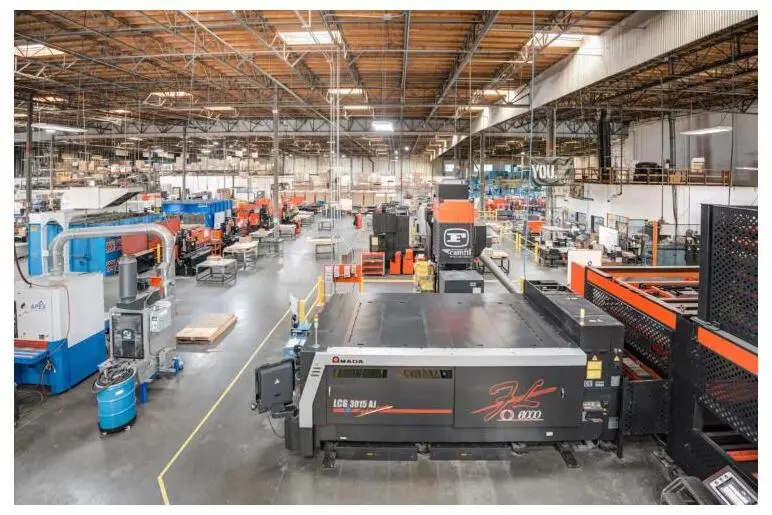
Supply chain consolidation is reshaping how programs source these capabilities. A broad reshoring trend follows vulnerabilities exposed during recent global disruptions. That shift increases demand for domestic fabricators that support just-in-time delivery and full program accountability. The industry is consolidating around vertically integrated domestic suppliers, and acquisitions such as L2 Aviation’s purchase of Advance Aero in April 2026 show how major players build end-to-end control over supply chains instead of relying on fragmented vendor networks.
Certification and Traceability Requirements That Define Qualified Suppliers
Certification functions as audited evidence that a supplier’s quality system consistently produces conforming parts under regulated conditions. It validates process discipline, not just paperwork.
AS9100D defines design and manufacture standards for aerospace parts, components and assemblies and emphasizes risk management, prevention and material traceability. ITAR registration forms a separate, mandatory requirement for any entity manufacturing defense articles on the U.S. Munitions List. ISO 9001:2015 provides a quality baseline but does not satisfy aerospace program requirements alone.
Beyond baseline certification, aerospace programs require process validation before production release. First Article Inspection under SAE AS9102 confirms that the manufacturing process can produce a conforming part before production quantities move forward. AS9102 Forms 1, 2 and 3 reports document engineering definition, material evidence and dimensional results in a structured, auditable package.
AS9100 requires both forward traceability from material receipt to shipment and backward traceability from a shipped unit to its source materials, process history and acceptance records. This bidirectional linkage depends on connected records at every handoff point in the manufacturing process. A complete traceability system must link across the following records:
- Purchase orders and receiving documentation
- Material lot or heat records and mill test certificates
- Work order and traveler records
- Tooling, calibration and inspection evidence
- Nonconformance and rework records
- Final acceptance and shipment records
Material traceability for aerospace parts depends on maintaining these associated records in line with program and regulatory requirements. Fabcon’s AS9100D-certified quality system spans the entire build and maintains this linkage from raw material receipt through final shipment.
Process Capability and Material Range for Evolving Programs
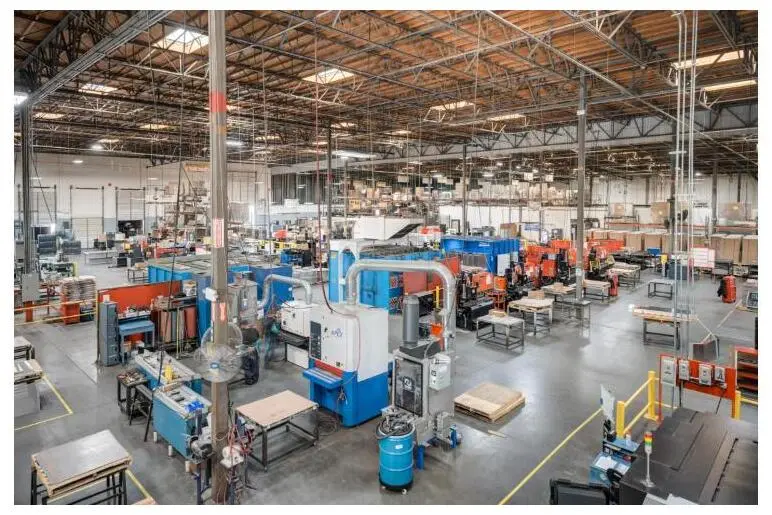
Aerospace sheet metal programs rely on a broad range of fabrication processes applied with precision and repeatability. When processes such as laser cutting, CNC punching, press-brake forming, certified welding, hardware insertion and in-house finishing are split across multiple vendors, each handoff introduces quality variation and traceability gaps. Controlling all processes within a single quality system removes breaks in the chain of custody.
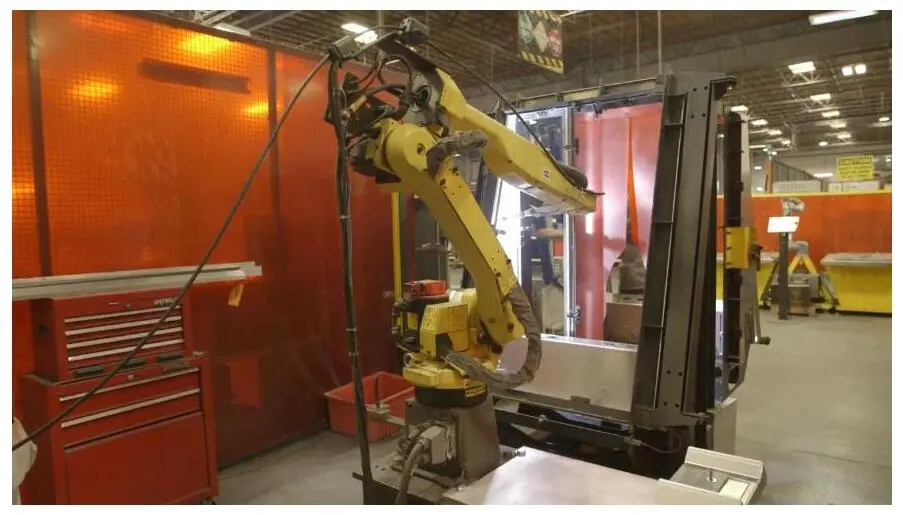
In-house AWS-certified welding with documented Welding Procedure Specifications and NDT capability reduces schedule risk and quality variability compared with subcontracted welding common at job shops. AWS D17.1 aerospace welding code requires strict documentation through WPS proven by destructive testing recorded in Procedure Qualification Records.
Material flexibility supports programs as designs change. Qualified aerospace fabricators demonstrate experience with aluminum alloys for high-stress structural components and titanium alloys that require specialized tooling, controlled feed rates and strict traceability protocols. Stainless steel and specialty alloys carry distinct forming and joining requirements that must appear in process documentation.
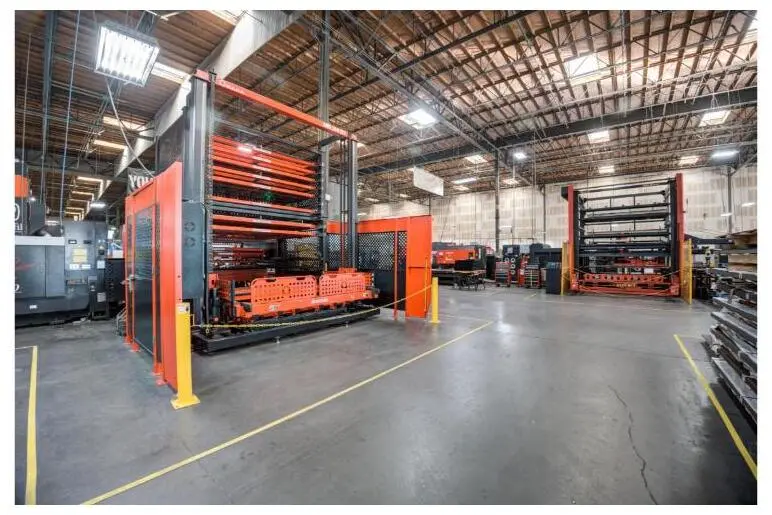
High-mix programs introduce BOM variability that rigid production lines cannot absorb. Fabcon’s agile production cells adapt to changing volumes, mixed SKUs and evolving bills of materials without the high minimums or long onboarding cycles associated with large contract manufacturers.
Vertical Integration Across Fabrication, Finishing and Assembly
Consolidating these processes under one roof cuts overall lead time by removing queue time and inter-vendor handoffs. Fragmented supply chains multiply risk through sequential failures and coordination breakdowns when work is split across vendors.
Fabcon delivers fabrication, finishing including powder coat, wet paint, CARC military-grade finishing and mil-spec coatings, and light electromechanical assembly in one facility. One purchase order, one accountable partner and one quality record span the entire build. Prototype-to-production continuity at a single facility with unchanged processes and tooling prevents fit and quality issues that often arise when programs transfer between shops.
Early DFM collaboration follows naturally from this integration. Sheet metal DFM issues most commonly originate in bend geometry, flat pattern nesting, hardware insertion clearance and weld joint accessibility, and addressing these during quoting prevents downstream tolerance stack-up problems and first-article failures. Fabcon’s engineering and quoting teams review drawings, tolerances and materials before production begins, which reduces rework and compresses development timelines.
Get a quote and connect with Fabcon’s engineering team to start a DFM review for an active program.
Supplier-Selection Checklist for Mid-Volume, High-Mix Aerospace Programs
The following checklist applies a weighted supplier evaluation framework to mid-volume, high-mix aerospace programs:
- AS9100D certification with current audit status and ITAR registration confirmed
- Full material traceability from mill cert to shipped unit, with records retained per program requirements
- FAI capability under AS9102 with documented cycle time and first-pass acceptance rate
- In-house welding with AWS certification, WPS documentation and NDT capability
- Vertical integration as described in the previous section, with fabrication, finishing and assembly under one quality system
- On-time delivery performance supported by documented lead-time assumptions that include material procurement, finishing and inspection
- Documented corrective-action process, such as 8D or CAPA with root-cause analysis, for nonconformance management
- Agile production cells capable of scaling volume and accommodating BOM changes without program transfer
- Early DFM collaboration with engineering support available at the quoting stage
- Capacity headroom to absorb program ramps without splitting work across facilities
Common objections arise during supplier evaluation, and many stem from incomplete cost analysis. Cost concerns often focus on unit price while ignoring total program cost. Fewer handoffs, less rework and shorter lead times reduce downstream expenses that low-cost vendors often create. Scale concerns assume that mid-tier suppliers lack capacity, yet production cell flexibility allows Fabcon to support programs from prototype through mid-volume production without the rigidity of large contract manufacturers. Existing supplier relationships feel safer than change, but integration depth reduces risk. Most sheet metal shops stop at fabrication, while Fabcon adds finishing and electromechanical assembly, which reduces vendor count and simplifies coordination.
Frequently Asked Questions
What traceability records does AS9100D require for aerospace sheet metal parts?
AS9100D requires traceability complete enough to identify what was built, from which materials and sources, under which approved process conditions, by whom and with what disposition if a nonconformance occurred. In practice, this means retaining linked records across purchase orders, receiving documentation, material lot and heat records, work order travelers, calibration and inspection evidence, nonconformance and rework records and final acceptance documentation. Both forward traceability from material receipt to shipment and backward traceability from a shipped unit to its source materials and process history are required. The primary risk in most traceability systems comes from broken linkage between ERP, MES, QMS and document control systems rather than from the number of systems used.
How long does a typical first-article lead time run for defense sheet metal programs?
A realistic first-article lead time for defense sheet metal fabrication runs six to ten weeks when DFARS specialty-metals verification, mill test reports, welding qualifications and full AS9102 First Article Inspection are required. Material procurement and compliance verification typically form the single largest driver of that schedule. FAI documentation, including bubble drawings, Form 1, 2 and 3 completion, CMM measurement and collation of material certifications and special-process certificates, adds additional time after fabrication is complete. Each special process routed to a qualified subcontractor, such as heat treatment, NDT or plating, adds further schedule time. Programs that consolidate these steps with a vertically integrated partner reduce the handoffs that extend FAI timelines.
What DFM practices most reduce rework in aerospace sheet metal fabrication?
The most impactful DFM practices address bend geometry, flat pattern nesting, hardware insertion clearance and weld joint accessibility before drawing release. Standardizing bend radii reduces tool changes. Maintaining adequate flange length for forming and keeping holes and hardware away from bend distortion zones prevents first-article failures. Applying tight tolerances only to functional interfaces, rather than as a default across all dimensions, reduces inspection complexity and rework. Defining datums that inspection can reliably use and separating critical tolerances from cosmetic dimensions carry equal importance. DFM review should occur before production release so that changes to bend reliefs, holes, hardware and weld access do not require rework after fabrication begins.
How does vertical integration affect lead time and quality risk compared with job shops or large contract manufacturers?
Vertical integration reduces lead time by removing queue time and inter-vendor handoffs that accumulate when fabrication, finishing and assembly are split across separate suppliers. It reduces quality risk by maintaining a single quality system across all process steps, which enables immediate corrective action when a nonconformance is identified instead of requiring coordination across multiple parties. Job shops typically stop at sheet metal fabrication, which forces program managers to manage separate vendors for coatings, welding and assembly, and each handoff introduces transit risk, scheduling dependencies and quality gaps. Large contract manufacturers offer integration but impose high minimums, long onboarding cycles and production line rigidity that limit responsiveness for high-mix programs. A vertically integrated mid-tier partner combines integration depth with the agility to support evolving BOMs and volume ramps.
Conclusion: A Clear Evaluation Framework for Aerospace Fabrication Partners
A qualified aerospace sheet metal fabrication partner must satisfy four requirements: certification and traceability depth, process and material flexibility, vertical integration from fabrication through assembly and scalability to support high-mix programs from prototype through mid-volume production. Suppliers that satisfy all four reduce program risk, compress lead times and simplify supply chain management for engineering, procurement and operations teams.
Fabcon holds AS9100D certification and ITAR registration, operates vertically integrated facilities that span fabrication, finishing and light electromechanical assembly and supports early DFM collaboration from the quoting stage. With decades of precision fabrication experience and extensive manufacturing space across two U.S. locations, Fabcon serves the mid-volume, high-mix programs that job shops cannot support and large contract manufacturers do not prioritize.
Get a quote and start the program review process with Fabcon’s engineering and quality team.