
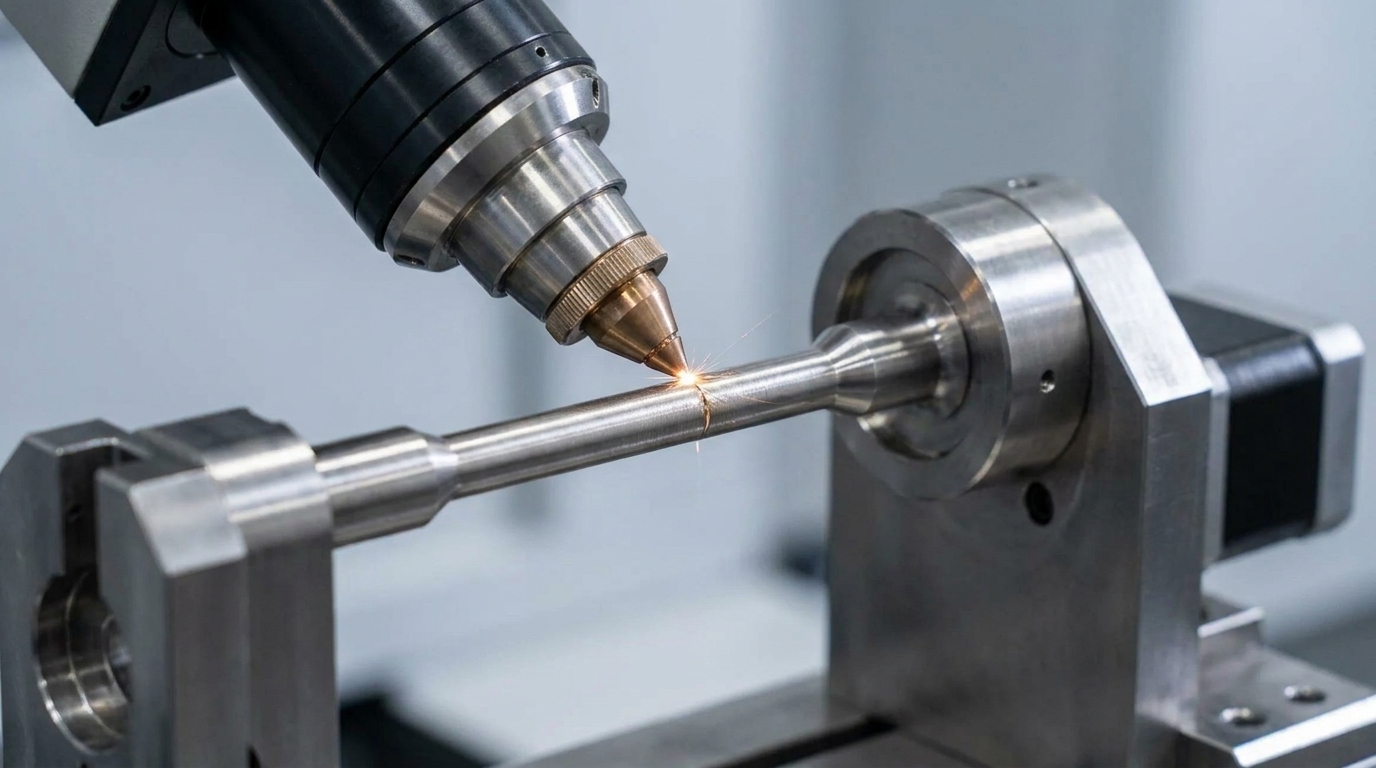
Key Takeaways on Medical Laser Cutting
-
Laser cutting produces precision medical device parts such as stents, catheters, hypotubes and implants with intricate geometries and micron-level tolerances.
-
Key materials include biocompatible metals such as nitinol, stainless steel 316L, titanium and polymers such as PEEK and PTFE.
-
Advanced laser technologies, including fiber, femtosecond, UV and green wavelength systems, create clean, burr-free cuts without heat-affected zones on heat-sensitive materials.
-
Laser cutting delivers no-tooling production, consistent repeatability, complex geometries and supports regulatory compliance with ISO 13485 and FDA standards.
-
Fabcon provides vertically integrated U.S. manufacturing that combines laser cutting, machining, finishing and assembly to streamline medical device production.
Where Laser Cutting Fits in Medical Device Components
Laser cutting supports a wide range of medical device components, from cardiovascular implants to surgical tools and structural frames. These applications span flexible, implantable and structural parts that demand different precision levels and feature types.
-
Stents and vascular devices: Intricate mesh patterns and expandable structures for cardiovascular applications
-
Catheters and guidewires: Precision-cut tips, flex zones and articulation features
-
Hypotubes: Small-diameter tubes with precise holes and slots for fluid delivery
-
Surgical instruments: Cutting edges, gripping surfaces and ergonomic features
-
Implant components: Bone plates, screws and structural elements
-
Device enclosures: Housings for diagnostic equipment and portable medical devices
-
Structural frames: Support structures for medical equipment and assemblies
Laser cutting provides fast, repeatable, distortion-free cuts on precise, geometrically intricate materials used in these applications. The ability to create complex patterns without tooling supports customization and frequent design iterations for medical programs.
Material Choices for Laser-Cut Medical Parts
Medical device components require biocompatible materials that retain their properties through laser processing. Material selection depends on the device function, such as structural strength, flexibility, corrosion resistance or long-term implantation.
-
Stainless steel (304, 316L): Provides strength and corrosion resistance for surgical instruments and structural components
-
Nitinol (NiTi): Shape memory alloy used for stents and guidewires
-
Titanium and titanium alloys: Lightweight, biocompatible materials for implants
-
Cobalt chromium (CoCr) and MP35N: High-strength alloys for demanding applications
-
PEEK and PTFE polymers: High-performance plastics for specialized components
-
Medical-grade copper alloys: Antimicrobial properties for infection control applications
Advanced laser systems process these materials without compromising their biocompatibility or structural integrity. Femtosecond lasers vaporize material without melting and produce features with minimal heat-affected zones. This capability supports heat-sensitive materials such as nitinol.
Laser Technologies That Deliver Medical Precision
Specific laser technologies align with different medical device requirements, from thick metal cutting to delicate polymer processing.
-
Fiber lasers: Cut thicker metals with high speed and precision and work well for stainless steel components
-
Femtosecond lasers: Provide nearly athermal processing for micron-scale features without heat-affected zones
-
UV lasers: Enable precise processing of heat-sensitive polymers and thin materials
-
Green wavelength lasers: Support high-quality processing of both metals and polymers for complex assemblies
These systems deliver tight tolerances and narrow kerf widths. Fiber lasers achieve precision tolerances for thin-wall nitinol tubes with narrow HAZ widths.
Advantages of Laser Cutting for Medical Devices
Laser cutting addresses core challenges in medical device manufacturing, including complex features, tight timelines and strict quality requirements.
-
No tooling required: Eliminates setup costs and supports rapid design changes
-
Exceptional repeatability: CNC control maintains consistent results across production runs
-
Clean, burr-free cuts: Reduces post-processing requirements and contamination risks
-
Micron-level tolerances: Delivers precision beyond mechanical cutting methods
-
Complex geometries: Creates intricate patterns and features in a single operation
-
Non-contact processing: Removes mechanical stress and tool wear
Laser cutting’s non-contact processing eliminates tool wear and workpiece deformation, which supports mass production of high-precision parts. The process provides a rapid, repeatable and cost-effective alternative to traditional machining or EDM methods.
Laser Cutting Tubes and Hypotubes in Medical Devices
Hypotube cutting represents one of the most demanding applications in medical laser processing because these small-diameter tubes require thin walls without distortion. These tubes support catheters, guidewires and drug delivery systems, where reliability and flexibility matter.
Modern systems process hypotubes with thin wall thicknesses and small outer diameters while maintaining dimensional accuracy. Laser systems provide micron-scale precision for complex geometries, slits and angled tips in metal hypotubes. This capability enables features such as flex zones, steerable shafts and variable stiffness regions that conventional methods cannot match.
Companies that require precision hypotube cutting with integrated finishing and assembly can discuss specific requirements with Fabcon’s engineering team.
Regulatory Compliance and Quality in Medical Laser Cutting
Medical device manufacturing must follow strict regulatory standards across design, production and validation. These frameworks guide material selection, process control and documentation.
-
ISO 13485:2016: Quality management systems specific to medical devices
-
FDA 21 CFR Part 820: Quality System Regulation for U.S. market access
-
ISO 10993: Biocompatibility testing standards for materials and devices
-
ISO 14971: Risk management for medical devices
-
Cleanroom standards: ISO 14644 classifications for sterile and implantable devices
Medical device manufacturing requires extensive documentation, process controls and validation of manufacturing steps to meet FDA and ISO requirements. The precision described earlier supports the repeatability required for regulatory compliance.
Fabcon maintains ISO 9001:2015 and AS9100D certifications with integrated quality systems that span the entire manufacturing process, which supports traceability and compliance for medical device components.
Solving Supply Chain Challenges with Integrated Manufacturing
Traditional medical device supply chains often rely on multiple vendors for cutting, machining, finishing and assembly. This fragmentation creates delays, quality issues and coordination challenges that can derail product launches.
Fabcon’s large vertically integrated facility addresses these challenges by combining laser cutting, CNC machining, finishing and assembly under one roof. This consolidation removes many handoffs that cause delays and quality issues and supports a more predictable production flow.
-
Vendor consolidation: Single point of contact for complex assemblies
-
Design for manufacturability: Early collaboration that aligns designs with production capabilities
-
Agile scaling: Flexible production cells that adapt to changing volumes and requirements
-
Quality control: Integrated systems that maintain consistency across all processes
-
Short lead times: Fewer transfers between suppliers
Medical device manufacturers face a gap in the market because job shops lack assembly capabilities and large contract manufacturers impose rigid requirements. Fabcon fills this gap by providing sophisticated infrastructure for medical device manufacturing while maintaining the responsiveness required by fast-moving companies.
Frequently Asked Questions
Key differences between laser-cut machine parts and medical device parts
Medical device parts require biocompatible materials, tighter tolerances and compliance with FDA and ISO standards. The manufacturing environment must meet cleanroom requirements, and all processes require extensive documentation and traceability. Medical parts also undergo biocompatibility testing and sterilization validation that industrial parts do not require.
How laser cutting supports medical precision tolerances
Laser cutting achieves medical precision through CNC control systems, real-time monitoring and advanced beam control technologies. Femtosecond lasers create small features with minimal heat-affected zones. Fiber lasers maintain tight tolerances for thin-wall applications. The non-contact process removes mechanical stress that could affect dimensional accuracy.
Role of Design for Manufacturability in laser-cut medical components
DFM collaboration aligns designs with production before manufacturing begins and reduces rework while supporting scalability. Early engineering input identifies potential issues with material selection, feature sizes and assembly requirements. This collaboration matters for medical devices because design changes after regulatory approval can be costly and time consuming.
Why a vertically integrated partner such as Fabcon benefits medical programs
Vertical integration removes vendor handoffs that cause delays and quality issues. With laser cutting, machining, finishing and assembly under one roof, Fabcon provides stronger quality control, faster turnaround times and simplified project management. This structure supports medical devices that require multiple processes and strict documentation.
Materials suited to laser cutting stents and catheters
Stents often use nitinol for shape memory properties or stainless steel 316L for strength and biocompatibility. Catheters often incorporate PTFE or PEEK polymers for flexibility and chemical resistance, with stainless steel hypotubes for structural support. Material selection depends on the specific application, biocompatibility requirements and mechanical properties needed.
How Fabcon supports regulatory compliance for medical device manufacturing
As noted earlier, Fabcon’s ISO 9001:2015 and AS9100D certifications provide the quality systems framework that supports medical device compliance.
Laser cutting medical device parts requires expertise in precision manufacturing, regulatory compliance and supply chain management. Fabcon’s vertically integrated approach provides the capabilities and quality systems needed for successful medical device production.
Contact Fabcon’s team to discuss how integrated manufacturing can streamline the medical device supply chain and accelerate time to market.