
Key Takeaways for Quick-Turn Metal Prototyping
- Fragmented suppliers cause delays and quality issues, while vertically integrated US providers like Fabcon remove vendor handoffs for faster prototyping.
- Early DFM collaboration improves designs, cuts rework, and shortens lead times for infrastructure components such as data center enclosures.
- ISO 9001:2015 and AS9100D certifications support quality traceability essential for critical infrastructure programs.
- Agile production cells support scaling from prototypes to production without rigid minimums or long onboarding cycles.
- Fabcon delivers reliable quick-turn sheet metal prototypes; request a quote to consolidate prototype sourcing and accelerate development.
Quick-Turn Metal Prototyping Needs in Infrastructure Supply Chains
Infrastructure sectors face mounting supply chain pressure. Lead times for new transformer factories and tower fabrication plants highlight metal-intensive component shortages affecting data centers and EV infrastructure. Engineering teams benefit from partners that offer in-house design collaboration, precision fabrication, finishing, and assembly capabilities. Ideal providers maintain ISO and AS9100D certifications and support expedited sheet metal prototypes using in-stock materials. Quick-turn success depends on removing vendor handoffs that create delays and quality issues.
Fabcon’s Quick-Turn Metal Prototype Services
Fabcon leads vertically integrated US sheet metal prototyping services. The company’s experience since its 1977 founding supports 220,000 square feet of manufacturing space across two Southern California facilities. This footprint houses design-for-manufacturability collaboration, precision sheet metal fabrication, CNC machining, finishing, and electromechanical assembly under one roof. Fabcon’s agile production cells scale from prototype through production while maintaining consistent processes.
Fabcon’s integrated model delivers single-source accountability, prototype-to-production alignment, and experience in infrastructure applications such as data center enclosures and power distribution systems. ISO 9001:2015 and AS9100D certifications provide quality traceability for critical programs where reliability and documentation matter.
To understand Fabcon’s position in the market, consider how common alternatives approach quick-turn work. Protolabs offers fast CNC machining and 3D printing for simple designs. Services focus on machined components rather than integrated sheet metal assemblies.
Xometry operates a supplier network with varied capabilities. Lead times and quality levels depend on individual supplier location and capacity, which introduces variability.
Pinnacle Precision offers sheet metal and assembly capabilities. Fabcon extends beyond this scope with larger facilities, deeper infrastructure experience, and broader in-house processes.
Fabcon addresses supply chain fragmentation through vertical integration, keeping capabilities from design through assembly under one roof. Competitors often require multiple vendors or accept network variability. Request a quote to consolidate your prototype supply chain.
How Integrated Providers Solve Common Prototyping Pains
DFM and Engineering Alignment for Faster Prototypes
Early design-for-manufacturability collaboration reduces costly rework cycles and schedule risk. ASME research shows DFM’s impact on reducing lead times through more efficient manufacturing processes. Fabcon’s engineering team reviews drawings, tolerances, and materials before production begins. These reviews support manufacturing routers tuned for data center enclosures and power distribution assemblies.
Vendor Consolidation and Administrative Efficiency
Single-source partnerships remove the complexity of managing separate suppliers for fabrication, coating, and assembly. Without multi-vendor coordination, teams spend less time on purchase order management, shipping logistics, and cross-vendor quality checks. This administrative efficiency shortens project timelines and clarifies accountability when issues require attention.
Quality, Compliance, and Traceability Across Operations
ISO 9001:2015 and AS9100D certifications support stringent quality systems with full traceability. Integrated quality management spans fabrication through final assembly, which reduces gaps that can appear between separate suppliers. This connected approach aligns with regulatory expectations for infrastructure-critical applications.
Scaling Flexibility from Prototype to Production
Agile production cells adapt to changing volumes and mixed SKUs without the constraints common in large contract manufacturers. This flexibility supports evolving bills of materials and high-mix programs typical of innovation-focused sectors. Beyond volume adaptability, this integrated approach also supports more predictable project timelines.
Lead Time Reliability Through Internal Control
Internal process control reduces shipping delays between operations and cuts waiting time. Rapid prototyping becomes practical when fabrication, finishing, and assembly occur within a single facility. This structure supports consistent lead times and faster response to design changes.
Evidence and Validation for Dependable Prototype Partners
Certifications including ISO 9001:2015 and AS9100D confirm mature quality systems suited to complex infrastructure work. Beyond these quality benchmarks, ITAR registration adds another layer of validation for projects that require strict security and compliance protocols. US-based manufacturing supports supply chain accountability and alignment with domestic sourcing requirements. Quality traceability systems support sectors experiencing rapid AI data center workload growth and rising scrutiny.
Comparing Provider Types and Running Due Diligence
Job shops provide basic sheet metal fabrication but often lack engineering depth and assembly capabilities. Mid-tier integrated providers such as Fabcon deliver comprehensive solutions with scale and flexibility advantages over smaller shops. Large contract manufacturers offer extensive capabilities but often impose rigid minimums and lengthy onboarding processes that conflict with agile programs.
Effective due diligence reviews several connected factors. Teams verify quality certifications, design-for-manufacturability processes, vertical integration depth, and US-based references. Evaluation also covers engineering collaboration, production scalability, and compliance with standards relevant to infrastructure applications.
Frequently Asked Questions
What makes a quick-turn metal prototype service reliable?
Reliable services hold quality certifications such as ISO 9001:2015 and AS9100D, maintain vertically integrated capabilities from design through assembly, and operate full traceability systems. Fabcon reflects these standards with more than 45 years of experience, comprehensive US-based facilities, and established infrastructure industry expertise.
How does vertical integration help sheet metal prototypes?
Vertical integration removes vendor handoffs that create delays and quality issues. Single-source providers control fabrication, finishing, and assembly timelines internally, which reduces coordination complexity and improves delivery predictability. This structure accelerates prototype development and supports smooth scaling to production.
What are strong US options for rapid prototyping?
Integrated providers such as Fabcon deliver consistent reliability compared with supplier networks that show variable quality and delivery. US-based vertical integration supports accountability, alignment with domestic standards, and responsive support for infrastructure-critical applications that require precision and traceability.
What DFM practices enable faster turnarounds?
Early collaboration between design and manufacturing teams shapes part geometry for efficient production. Selecting in-stock materials and standard processes reduces procurement delays and setup time. Clear documentation, including complete CAD files, specifications, and assembly requirements, streamlines quoting and production planning.
Should teams choose sheet metal or CNC machining for prototypes?
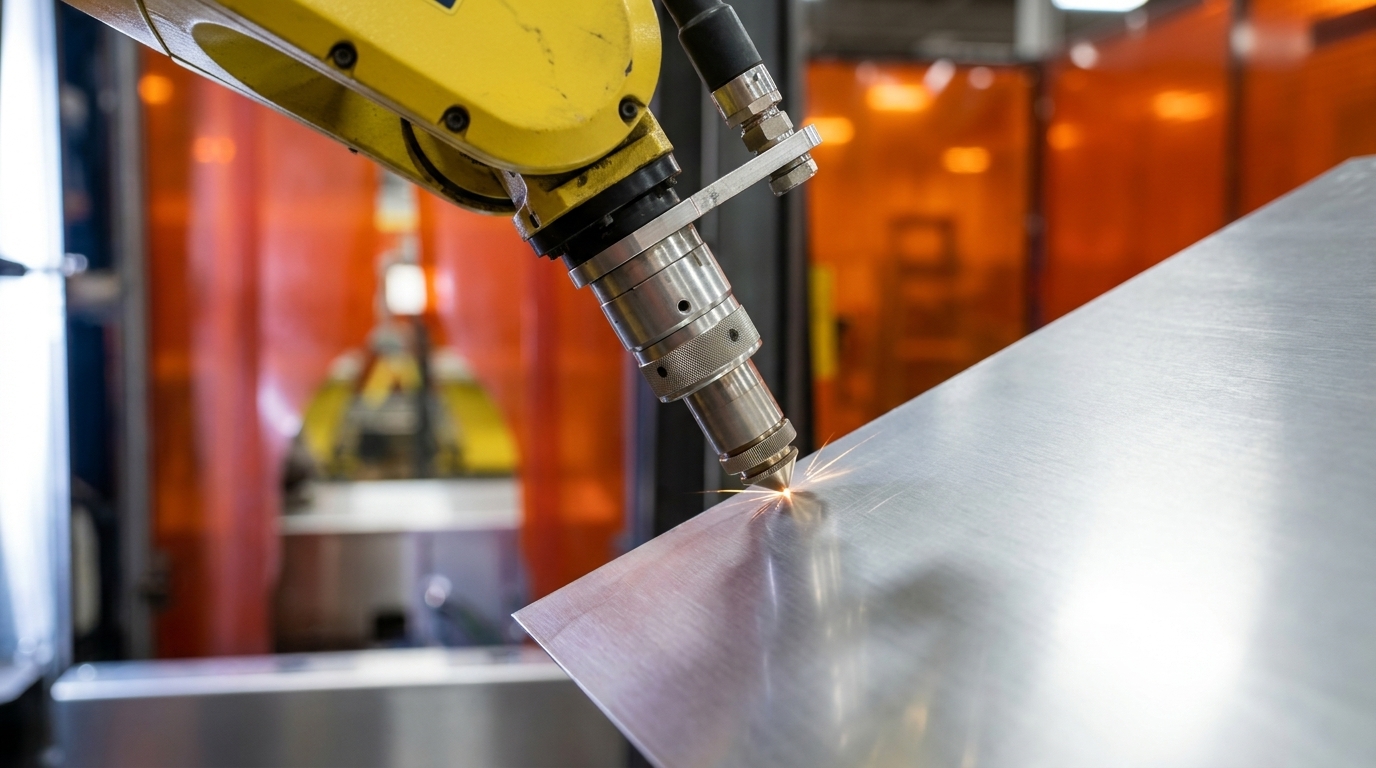
Sheet metal fabrication suits thin-walled enclosures, chassis, and structural components with fast turnarounds and cost efficiency. Sheet metal processes support rapid prototyping through laser cutting and bending, which fits infrastructure applications that require lightweight, durable housings.
Accelerate Prototyping with Fabcon
Fabcon delivers vertically integrated capabilities that support quick-turn metal prototypes for infrastructure companies. The model reduces supply chain fragmentation and vendor coordination challenges through comprehensive US-based manufacturing. Start a prototype project with Fabcon’s integrated capabilities.