
Last updated: April 17, 2026
Key Takeaways
- Hobby CO2 and diode laser cutters work well for non-metals but struggle with metal prototypes because of poor tolerances and warping.
- Fiber lasers deliver precise metal cutting. Models like ComMarker handle marking well but fall short on thick cuts and production scaling.
- Professional laser cutting services provide industrial equipment, tight tolerances, and DFM collaboration for EV, medical, and data center applications.
- Fabcon combines laser cutting, CNC machining, and assembly in one facility, cutting lead times from weeks to days compared to hobby machines or job shops.
- For quick-turn metal prototypes that can scale smoothly, request a prototyping quote from Fabcon and streamline your workflow.
Best Laser Cutting Types for Prototypes 2026
Selecting the wrong laser type causes material failures and project delays. CO2 lasers perform poorly on metals, while fiber lasers excel at metal processing but cannot handle non-metallic materials effectively. The table below compares each laser type by power and material capability so you can match your machine choice to your prototyping needs.
| Type | Best 2026 Models/Materials | Power/Thickness Limits |
|---|---|---|
| CO2 | xTool P2S 55W for acrylic up to 20mm, wood up to 18mm | Non-metals only, fiber lasers 2-3x faster on metals |
| Diode | Sculpfun S70 Max 70W for thin woods and acrylics | Suitable for thin non-metals |
| Fiber | ComMarker systems for metals like steel and aluminum | Precision metals with tight tolerances |
LightBurn software serves as the industry standard for laser control across all types. Fiber lasers capture 60% of the laser cutting market for metal sheet processing because they process carbon steel and stainless steel more efficiently than CO2 systems.
Best Laser Cutters for Prototypes 2026
Hobby machines offer versatility for non-metals but face speed and tolerance limitations for engineering applications. The three models below represent the best options across CO2 and fiber laser categories for different prototyping needs, highlighting tradeoffs in price, speed, and material capability.
| Model | Price Range | Materials/Speed | Proto Fit/Limits |
|---|---|---|---|
| xTool P2S 55W | ~$3,000 | Acrylic and wood, up to 600mm/s engraving | Hobby enclosures, no thick metal |
| xTool P3 80W | Starts from $6,999 | 25mm acrylic cuts, 1200mm/s engraving | Larger non-metal prototypes |
| ComMarker Titan 1 | ~$4,000 | 200W fiber, 15,000mm/s engraving on metals | Metal marking, limited cutting thickness |
xTool vs Glowforge Comparison
xTool systems reach speeds up to 600mm/s compared to Glowforge models. Glowforge focuses on cloud-based software integration and user-friendly interfaces that support design-centered workflows.
Software and Safety Requirements
LightBurn offers advanced control features needed for precision work. Fully enclosed systems with magnetic interlocks reduce laser-related injuries by 90% compared to open-frame designs. Air assist and proper ventilation improve cut quality and protect operators from fumes and particulates.
Best Laser Cutting for Metal Prototypes
Hobby fiber lasers deliver inconsistent tolerances and lack DFM collaboration essential for engineering applications. Machines like the ComMarker systems handle basic metal marking but cannot achieve the precision tolerances required for functional prototypes or provide the production scaling necessary for prototype-to-production transitions.
Professional laser cutting services close this gap by supplying industrial-grade equipment, engineering support, and integrated manufacturing capabilities that hobby machines cannot match.
Fabcon’s Integrated Laser Cutting Services for Prototypes
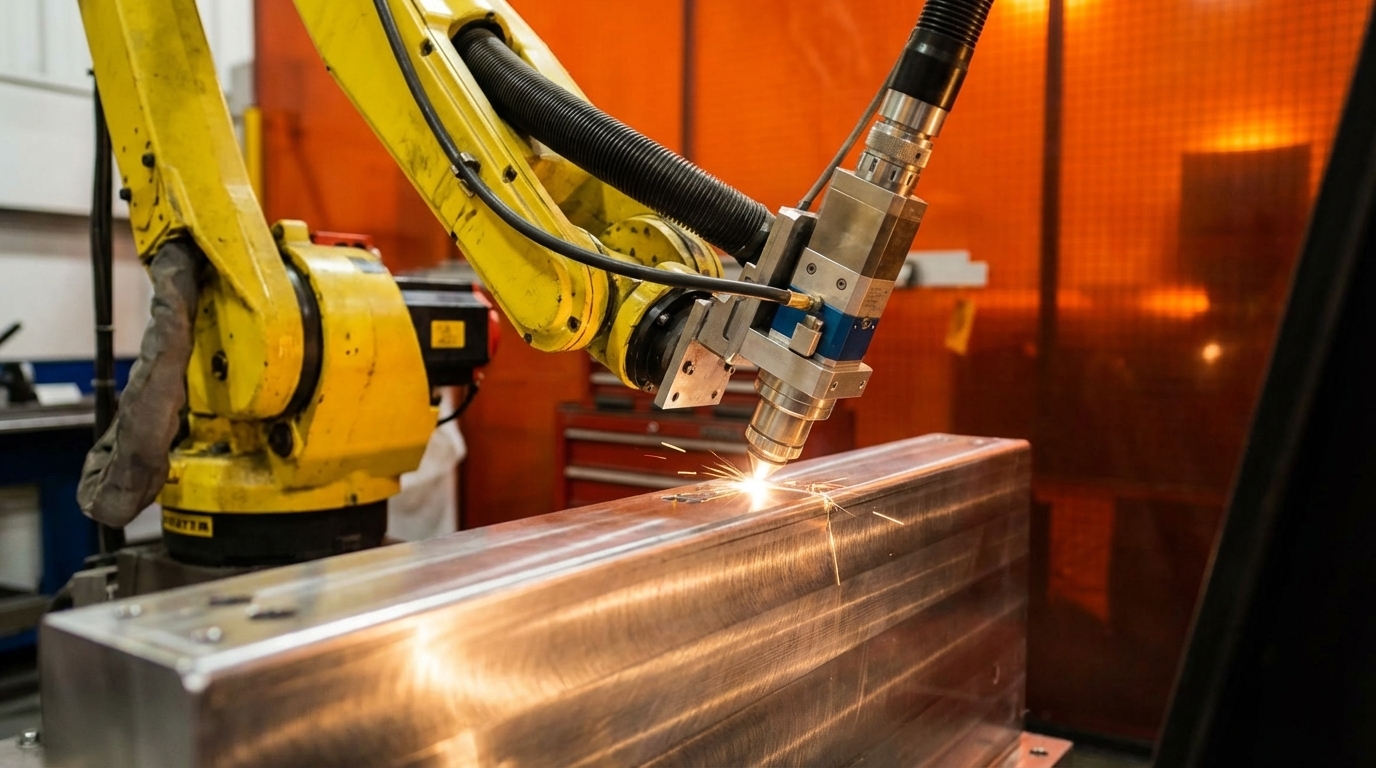
Fabcon operates 220,000 square feet of ISO 9001:2015 and AS9100D certified manufacturing space and delivers precision laser cutting with integrated CNC machining and assembly under one roof. This structure removes vendor handoffs and shortens lead times compared to coordinating separate suppliers. The comparison below shows how Fabcon’s integrated approach improves tolerances, lead time, and scalability versus hobby machines and traditional job shops.
| Option | Tolerance | Lead Time | Scale/Integration |
|---|---|---|---|
| Hobby Machines | Wider tolerances | Days (setup required) | Low volume, high total cost |
| Job Shops | Standard tolerances | 1-2 weeks | Metal only, no assembly |
| Fabcon | Tight tolerances | Days for prototypes | Mid-volume, integrated services |
A data center manufacturer cut prototype delivery from three weeks to five days by consolidating laser cutting, powder coating, and assembly with Fabcon’s integrated services. Start your metal prototype project with Fabcon and access the same end-to-end support.
Scale Prototypes with DFM and Agile Production
Successful prototype-to-production transitions rely on early DFM collaboration, material selection guidance, and scalable manufacturing processes. Fabcon’s agile production cells adjust to changing volumes and SKU mixes without the high minimums or rigid processes common with large contract manufacturers.
Key considerations include tolerance specifications, material compatibility, finishing requirements, and assembly integration. Fabcon’s engineering team engages during the design phase to improve manufacturability and reduce costly rework during production scaling.
Conclusion
The most effective laser cutting strategy for prototypes combines hobby machines for non-metal applications with professional services for precision metal components. xTool, Glowforge, and ComMarker systems support design and hobby work, while engineering-grade metal prototypes that require tight tolerances and production scalability call for professional capabilities.
For metal enclosures, brackets, and chassis that need DFM collaboration and smooth prototype-to-production scaling, Fabcon delivers precision and integration that hobby machines cannot provide. Connect with Fabcon’s engineering team today for your next metal prototyping project.
FAQ
What is the best laser cutter for small metal prototypes?
Fabcon’s professional fiber laser cutting services provide the precision and tolerances required for functional metal prototypes. As discussed earlier, hobby systems handle basic marking but cannot match the consistency and DFM support that engineering-grade prototypes require, while Fabcon delivers the tolerances and collaboration needed for production-ready metal parts.
Can xTool or Glowforge handle engineering prototypes?
xTool and Glowforge systems excel at non-metal prototyping for design validation and concept models. They cannot process the metal thicknesses or hold the precision tolerances required for functional engineering prototypes such as enclosures, brackets, and chassis used in data center, EV, and medical applications.
Should I choose CO2 or fiber lasers for prototyping?
CO2 lasers work best for non-metal materials such as acrylic, wood, and composites. Fiber lasers are essential for metal prototyping and provide higher precision and speed on steel, aluminum, and other metals. Your choice should follow your material requirements and tolerance specifications.
When should I outsource laser cutting versus buying equipment?
Outsource to professional services like Fabcon when you need metal prototypes with tight tolerances, DFM collaboration, or production scaling capabilities. Purchase hobby equipment for non-metal design validation, concept models, or when you have consistent high-volume needs for simple geometries.
What are typical lead times for professional laser cutting services?
Fabcon delivers prototype parts in days rather than weeks through integrated manufacturing processes. Lead times depend on part complexity, material availability, and finishing requirements, and the removal of vendor handoffs significantly shortens total delivery time compared to managing multiple suppliers.